Buying laminate flooring: what matters for selection and quality
Laminate flooring is undoubtedly one of the most popular types of floor covering here — and for good reason. Or rather, for many good reasons. This versatile flooring option offers an authentic look, is highly durable, can be installed easily even without years of DIY experience, and can be used immediately after fitting. Different use classes are available to suit different requirements. Last but not least, laminate flooring comes in a wide range of décors and formats, so you can find the right solution for almost any taste and need — at a price that’s fair compared with other floors such as real wood parquet.
But what exactly is a laminate plank made of? What do the different use classes mean? And which décor works best in which room? In this concise guide, you’ll find answers to the most important questions about laminate flooring.
Buying laminate flooring at planeo: what you can expect from us
For us, customer service is a matter close to our hearts. That’s why planeo offers a comprehensive service package to support you when buying and installing your new laminate flooring:
- Best price offer service: Request a non-binding offer directly on your chosen item and receive your personal best price within 24 hours.
- Up to 5 (!) free original samples: Order samples of your favourite floors and compare them at home at your own pace — in daylight and under artificial light.
- Tradesperson service: Activate our tradesperson service during checkout and receive offers from qualified installers near you within 24 hours via our partner “Blauarbeit”. Placement and enquiries via “Blauarbeit” are free of charge for you.
- Our own YouTube channel: Not sure where to start, or still looking for inspiration? Get motivated with videos from our pros, including step-by-step installation guidance — perfect if you prefer a DIY approach.
- Express delivery: Whenever possible, we can deliver your order quickly and conveniently to your doorstep by freight forwarding on request.
Use classes and areas of application for laminate flooring
One of the most important characteristics of laminate flooring is its use class. This is defined by the relevant standard (DIN EN 685) and indicates how much a floor can be used without showing premature signs of wear. The use class is given as a two-digit number. The first digit shows the area of use (2 = domestic/residential; 3 = commercial). The second digit indicates the level of load (1 = light; 2 = medium; 3 = heavy).
This results in the following classes:
| Class | Usage | Exemples |
|---|
| 21 |
light domestic use |
bedrooms, guest rooms |
| 22 |
medium domestic use |
living rooms, dining rooms, internal hallways |
| 23 |
heavy domestic use |
kitchen, entrance hall, home office |
| 31 |
light commercial use |
hotel rooms, small offices, conference rooms |
| 32 |
light commercial use |
hotel rooms, small offices, conference rooms |
| 33 |
heavy commercial use |
open-plan offices, department stores, public buildings |
The right laminate flooring for every room
Laminate flooring for living rooms and bedrooms
In principle, you can install almost any laminate floor from our range here. However, we recommend at least Class 23 and an abrasion class (AC rating) of AC3 so you can enjoy your new floor for many years.
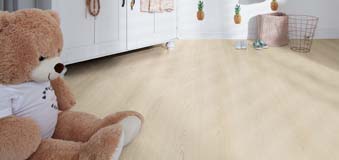
Laminate flooring for children’s rooms
In children’s rooms, it’s not only the use class that matters, but also the surface. We recommend laminate floors with embossed-in-register (EIR) texture, as the structure provides secure grip for little feet and crawling knees. Our water-resistant floors are particularly suitable for children’s rooms, because liquids such as spilled drinks won’t harm them easily.
Laminate flooring for kitchens, hallways and guest bathrooms
In these areas, your new floor has to withstand much more and should be as resistant as possible to moisture and dirt. We recommend at least Class 32 and an AC rating of AC4. Also look for the product feature water-resistant.
Tip: When in doubt, choose a higher use class. The price difference per square metre is usually small — but the increase in durability is clearly noticeable.
Décor and design variety in laminate flooring
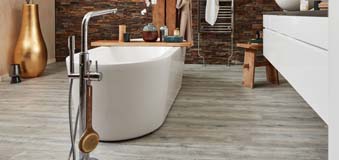
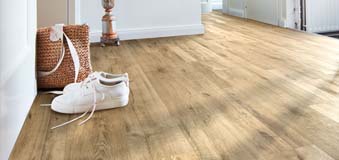
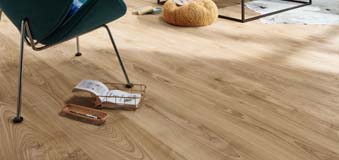
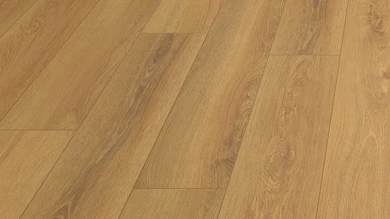
The visual range of laminate flooring has developed significantly in recent years. In the past, classic oak in a traditional strip/plank look was considered the gold standard. Today, the selection goes far beyond that — making room for more distinctive tastes as well. And that’s a good thing, because each décor creates its own atmosphere and effect that you can use to shape a room. In our range you’ll find, for example:
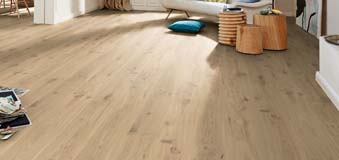
- Classic oak in various variations (universally versatile)
- Light woods such as maple for modern, light-filled rooms
- Dark walnut décors for a warm, cosy atmosphere
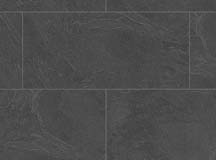
- Slate, concrete and tile looks for a clean, modern style
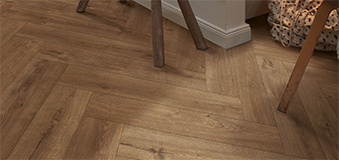
By the way: it’s not only the décor that influences how a room feels — the format does too. Wide country-style planks can make a room feel more spacious and contemporary. Classic strip-style looks bring more visual movement through frequent plank changes. And the currently very popular herringbone format has the look of real parquet and adds a more statement, premium character to hallways and living rooms — while typically costing much less than sought-after solid wood floors.
Tip: Décors often look different on a screen than they do in your home. Colour temperature and surface texture can vary significantly depending on the device, which makes them hard to judge digitally. We therefore recommend ordering free samples of your favourites in advance and comparing them at home under real lighting conditions. Browse our range and choose the designs you like best.
Installing laminate flooring
Modern click laminate is designed so that you can install it yourself even without professional help. The principle is simple: the planks are not glued down — they’re laid as a floating floor on top of the existing subfloor. They are secured via the integrated click system, which locks the individual planks together. In most cases you only need a few tools:
- a jigsaw, or alternatively a laminate cutter
- a tapping block and a pull bar
- plenty of spacers/expansion wedges
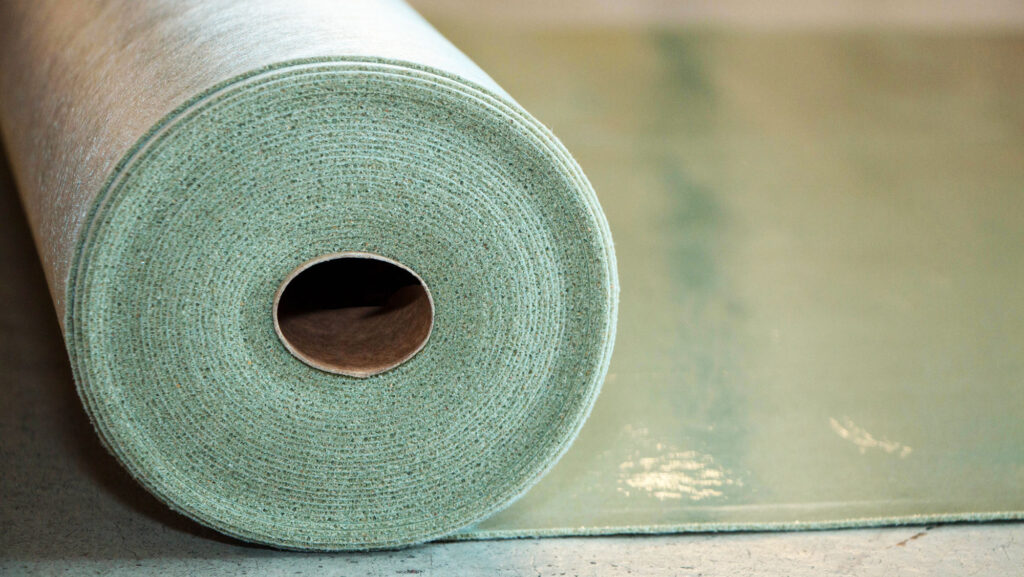
Tip: If it isn’t already integrated into the floor, lay a suitable underlay under the laminate first. This noticeably reduces walking noise and increases comfort.
When installing laminate flooring, leave an expansion gap of around 10 mm all the way around the edges. This allows the floor to expand with temperature changes without pushing against the wall. On our YouTube channel you’ll find helpful step-by-step guides from our experts. If you’d rather have professionals install your laminate, you can add our tradesperson service directly during checkout.
By the way: laminate can be installed on almost any level subfloor — and it also works with underfloor heating (UFH). Always check the manufacturer’s approval/recommendations first.
Care and cleaning for laminate floors
One reason laminate flooring is so popular is how easy it is to clean. For everyday care, it’s usually enough to vacuum regularly or wipe with a slightly damp mop/cloth. Please do not use a steam cleaner, as heat and moisture can damage the overlay and the click joints. Also avoid abrasive cream cleaners and other harsh products, as they can roughen the surface.
If you need to remove stubborn marks, we recommend special laminate cleaners that don’t leave streaks. You’ll find suitable care products in our floor-care section. With the right care, you’ll enjoy your new laminate floor for a long time — and help it look as good after many years as it did on day one.
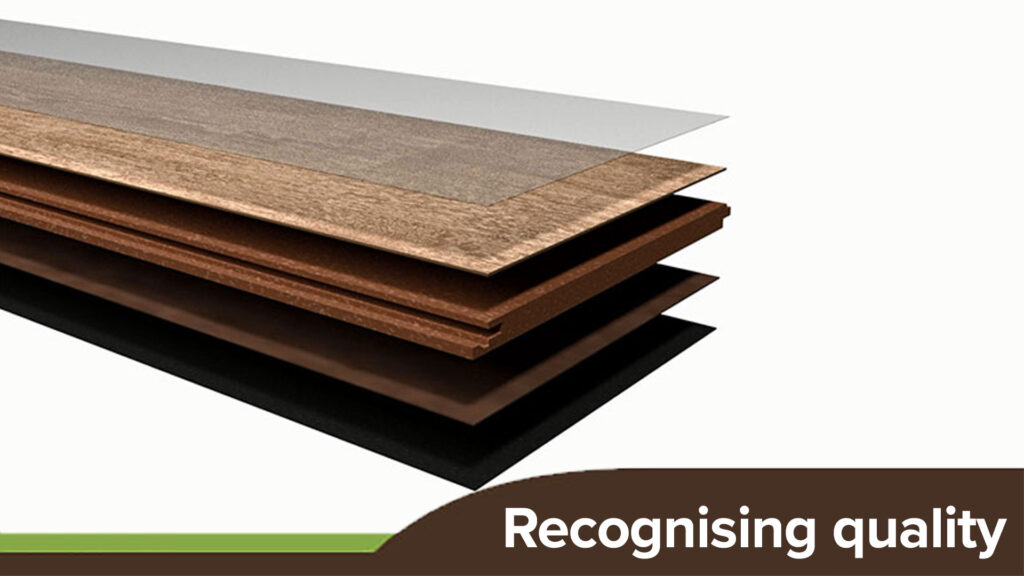
Construction and materials: what’s inside a laminate plank?
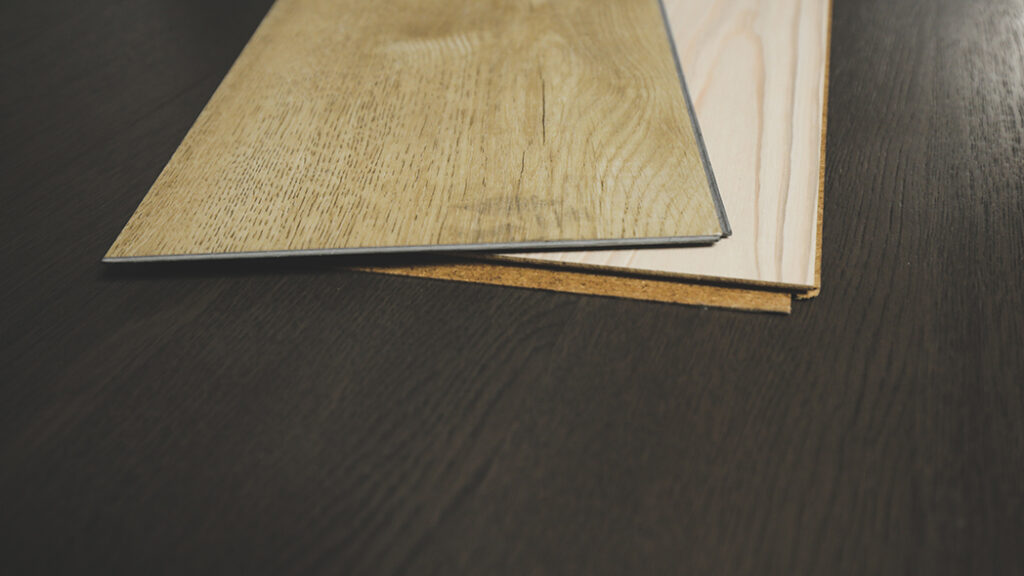
A classic laminate plank consists of four layers, each with a specific role. Depending on how these layers are designed and combined, the plank’s resistance changes — making it suitable for different areas of use. The four layers (top to bottom) are: overlay, decor paper, HDF core board, and the backing (balancing) layer.
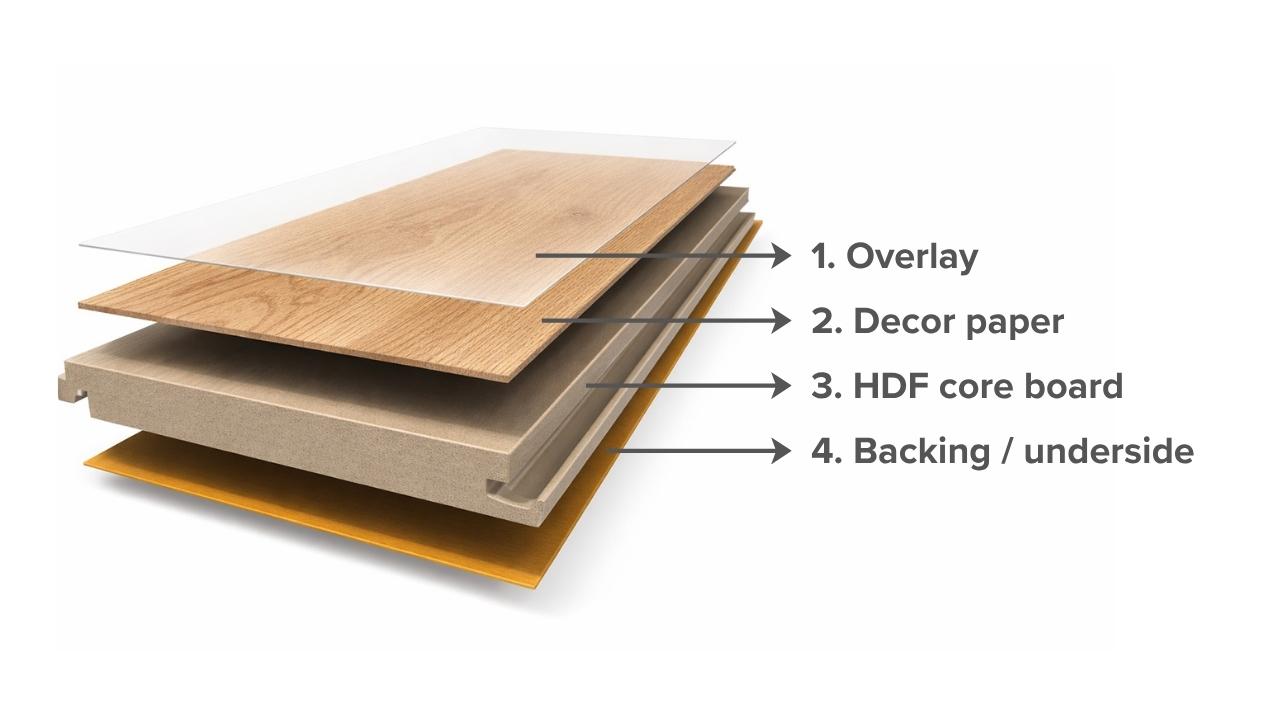
Layer 1: Overlay (wear layer)
The overlay forms the surface of the laminate plank. It is a transparent seal made of melamine resin that protects the décor layer underneath from external influences such as wear, scratches, stains and UV radiation. Rule of thumb: the thicker the overlay, the higher its abrasion class (AC rating) — and the better it can perform its protective function.
Layer 2: Decor paper
Directly beneath the overlay is the decor paper, which is responsible for the laminate plank’s appearance. Using modern printing processes, this special paper can feature a wide range of designs — for example wood grain, stone texture or tile patterns. Many décors look so authentic that it’s difficult to tell them apart from the original at a glance. This is even more true with laminate flooring featuring embossed-in-register (EIR) texture: the printed décor is paired at the factory with a matching, tactile surface structure — so you can not only see the grain, but feel it too.
Layer 3: HDF core board
The thickest layer is the HDF core (high-density fibreboard core). It sits directly under the decor paper and provides stability and dimensional strength. Along the edges, the core has click-fit joints that let you connect the individual planks quickly and easily. For rooms such as kitchens and hallways — where floors more often come into contact with liquids or damp dirt — we recommend laminate planks from our range with additional swelling protection. This helps prevent moisture from penetrating the high-density fibreboard core even more effectively.
Layer 4: Backing / underside
The bottom layer is the backing (balancing) layer. It is made of an impregnated material (paper or plastic) designed to prevent moisture from entering the laminate plank from below. Thanks to this layer, the plank is less likely to warp even if it comes into contact with moisture from underneath.
Good to know: Every laminate floor needs suitable underlay for impact sound reduction. Many floors in our range come with built-in underlay on the underside from the factory, saving you an extra step during installation. If your chosen floor does not have integrated underlay, you’ll need to lay it separately. You can order all the materials you need conveniently online from us.



 13.04.2026
  0
0  ca. 13 Min.