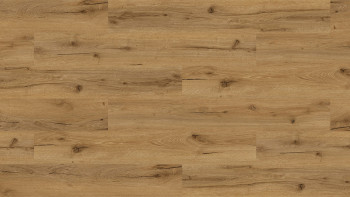
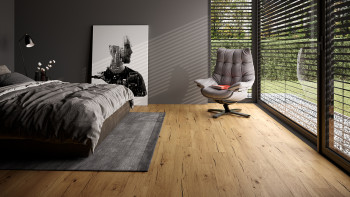
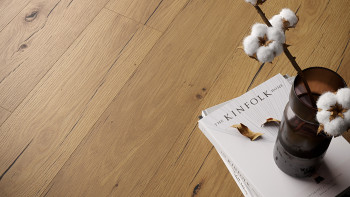
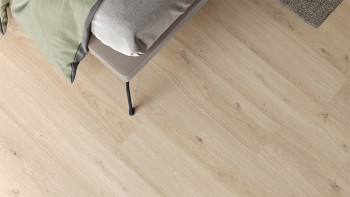
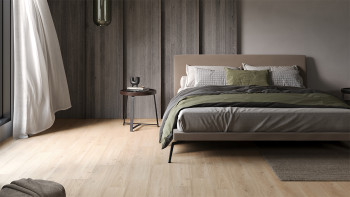
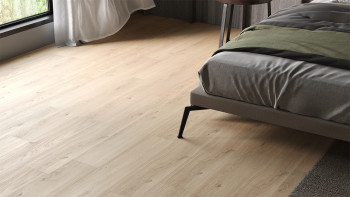
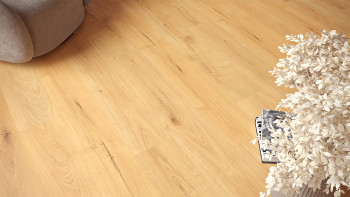
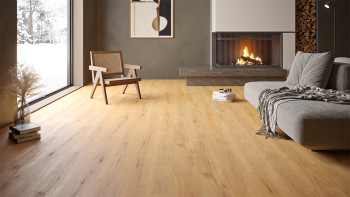
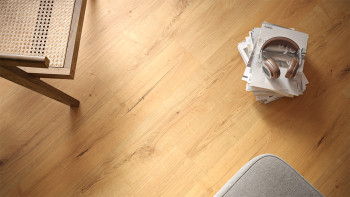
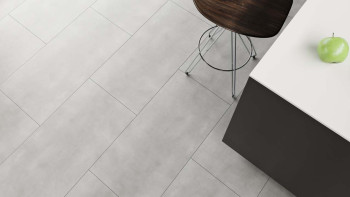
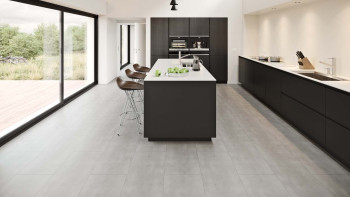
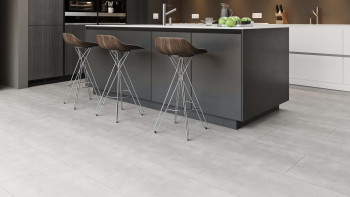
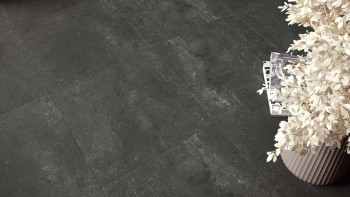
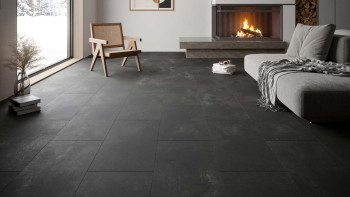
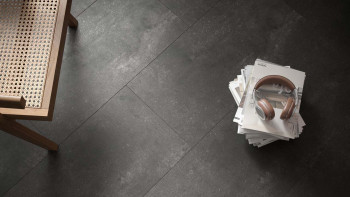
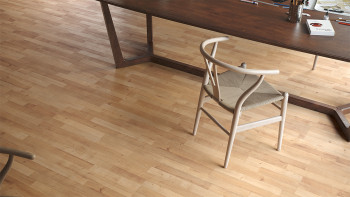
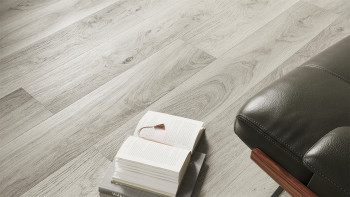
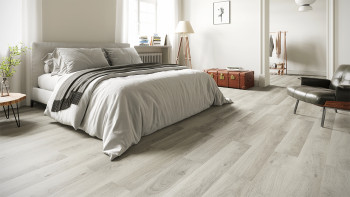
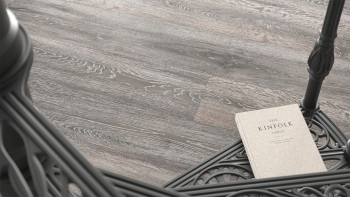
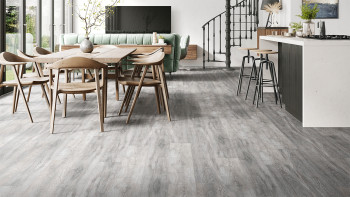
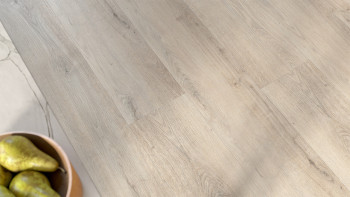
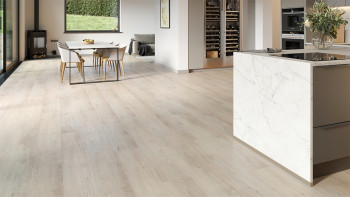
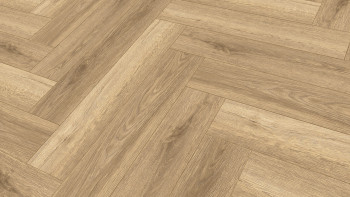
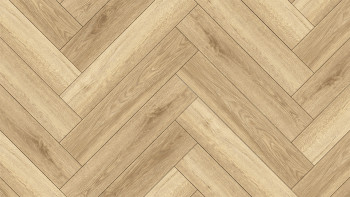
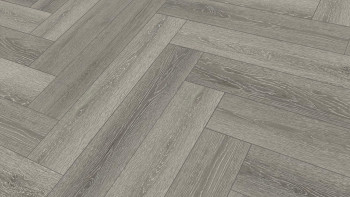
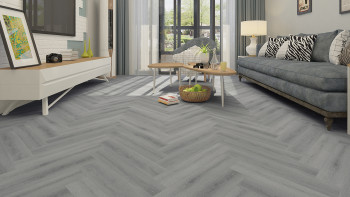
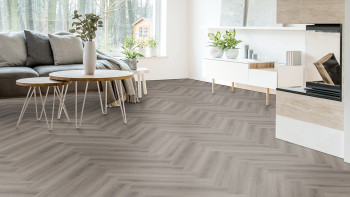
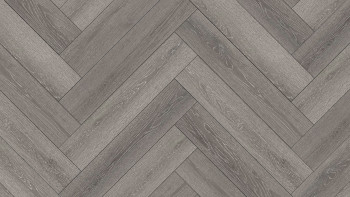
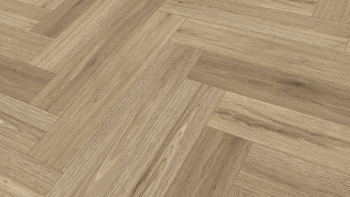
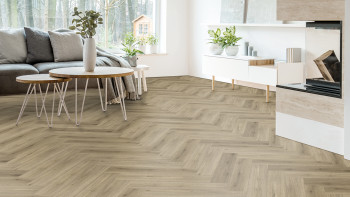
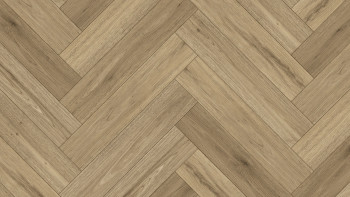
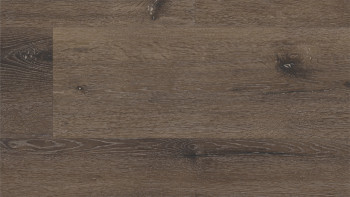
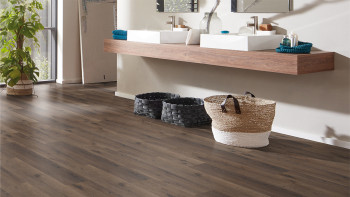
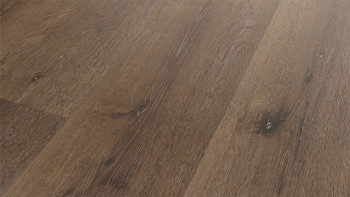
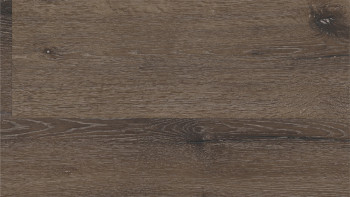
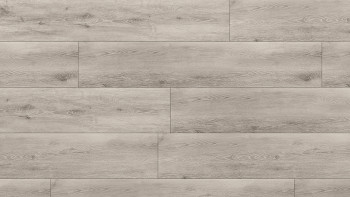
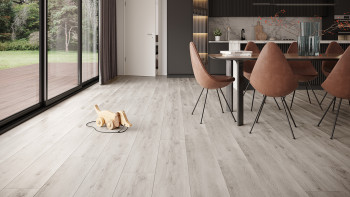
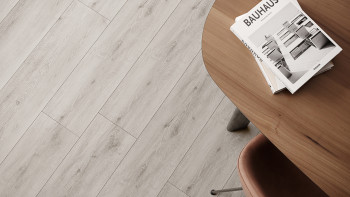
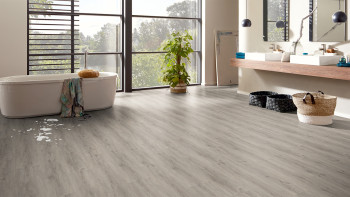
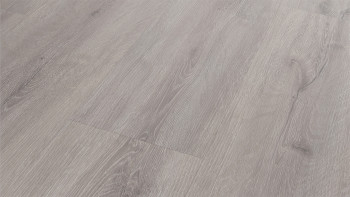
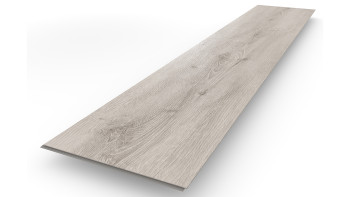
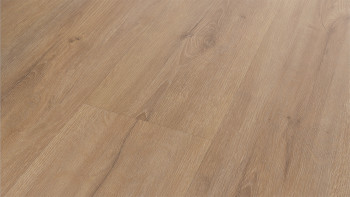
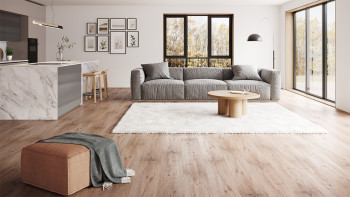
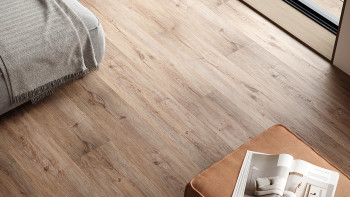
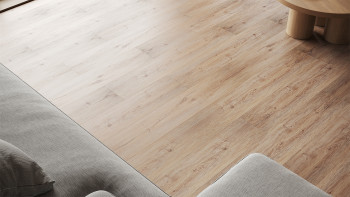
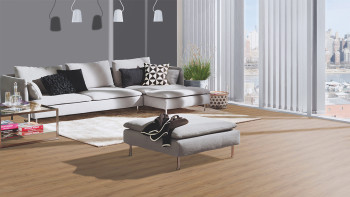
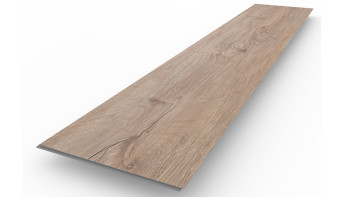
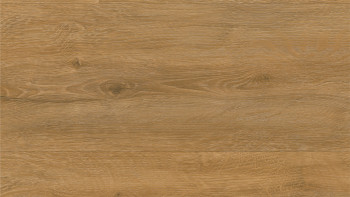
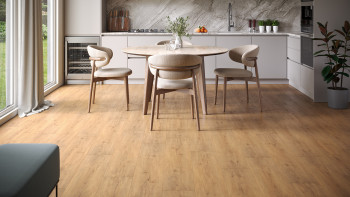
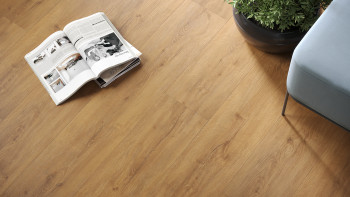
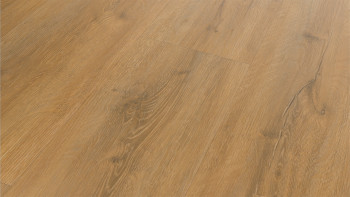
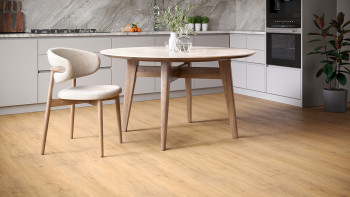
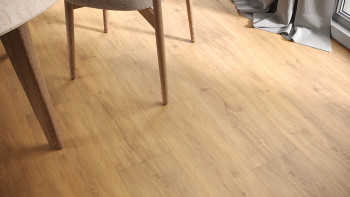
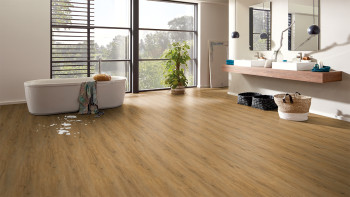
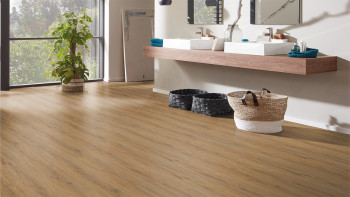
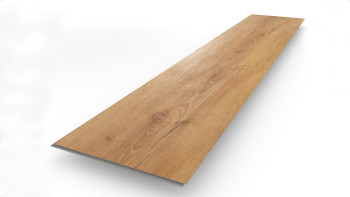
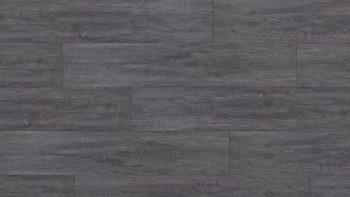
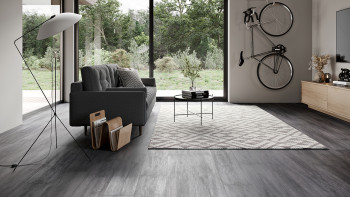
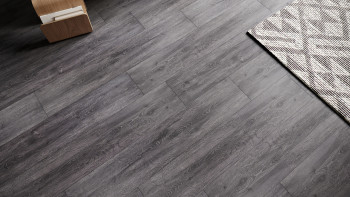
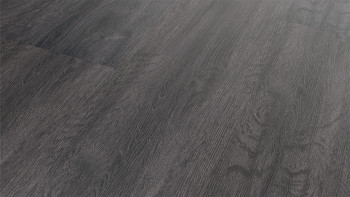
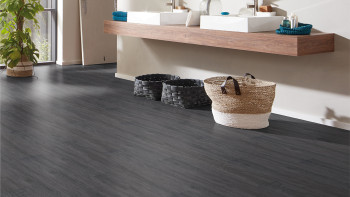
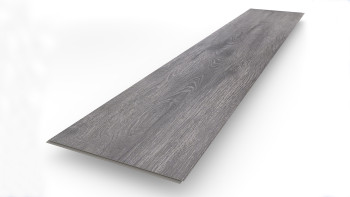
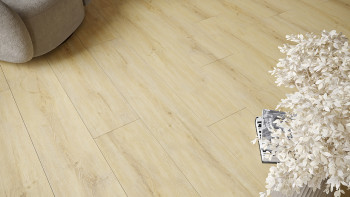
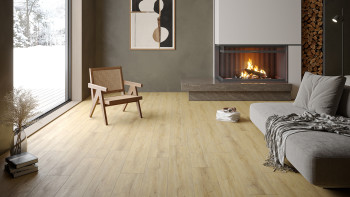
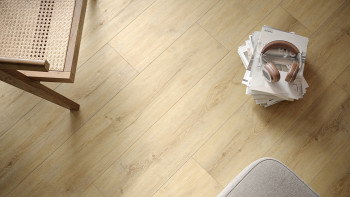
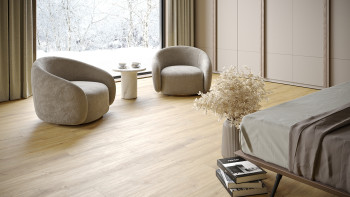
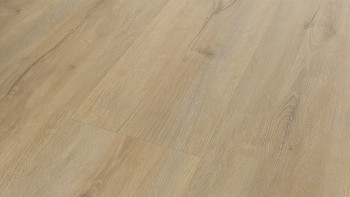
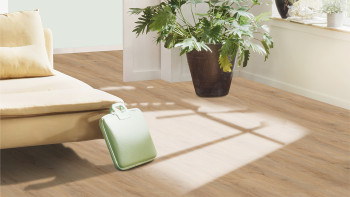
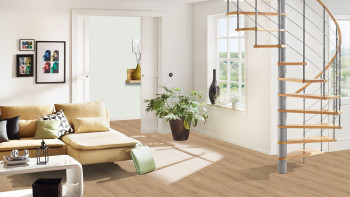
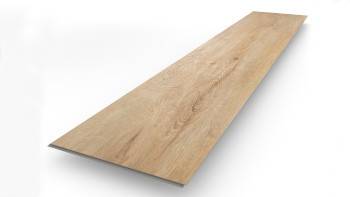
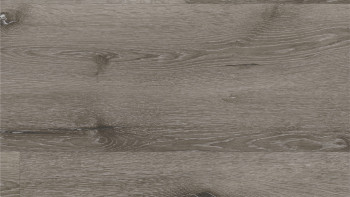
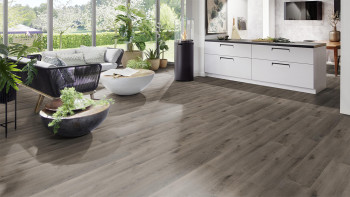
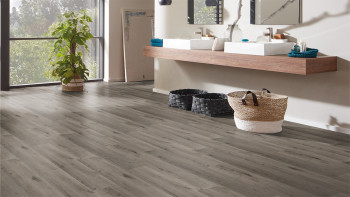
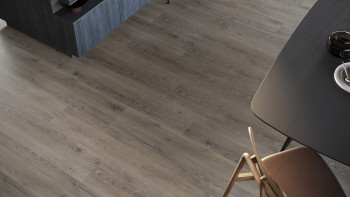
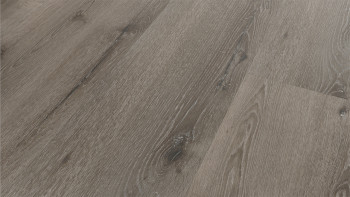
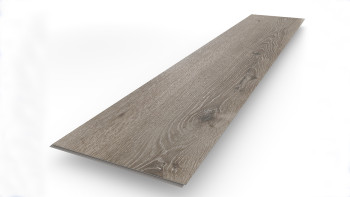
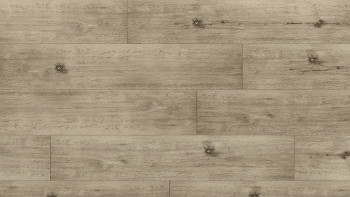
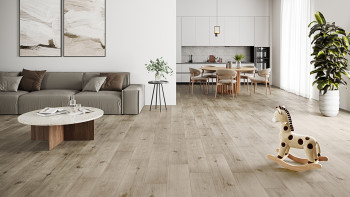
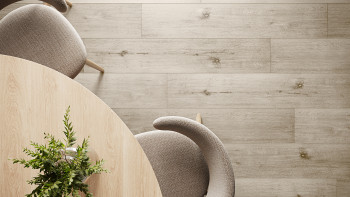
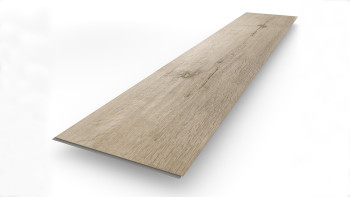
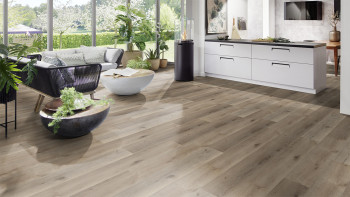
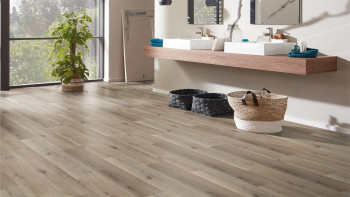
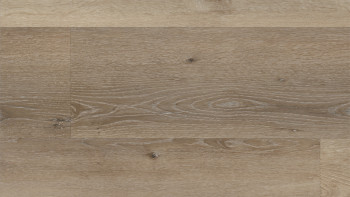
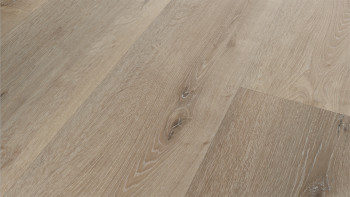
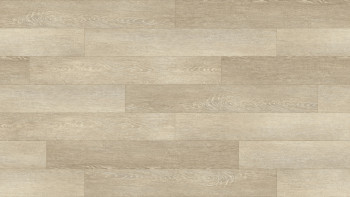
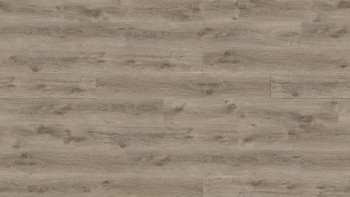
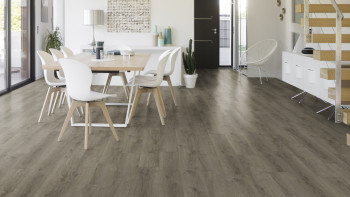
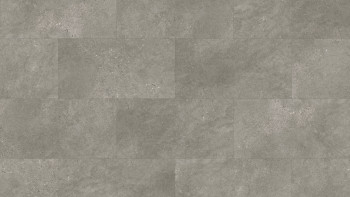
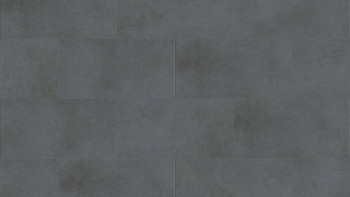
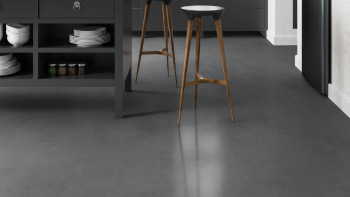
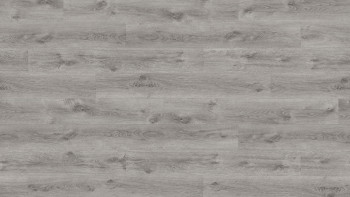
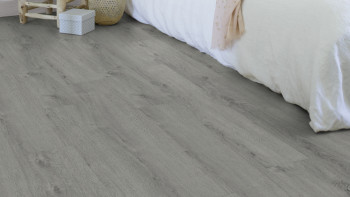
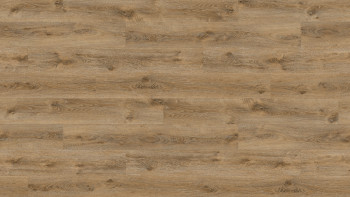
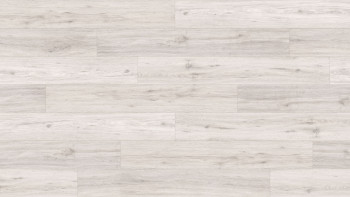
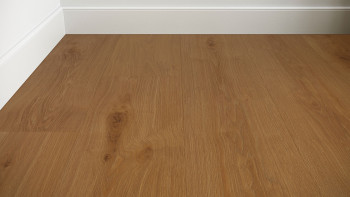
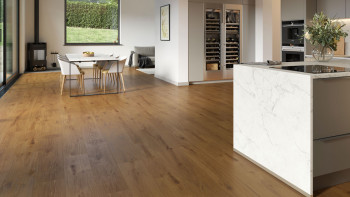
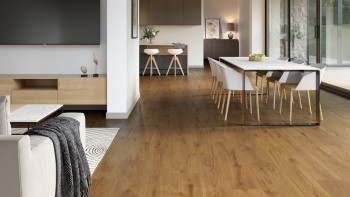
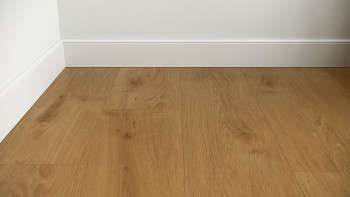
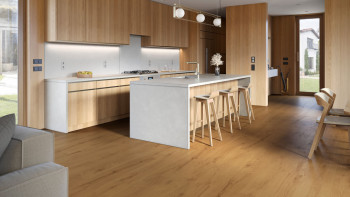
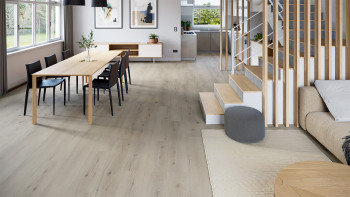
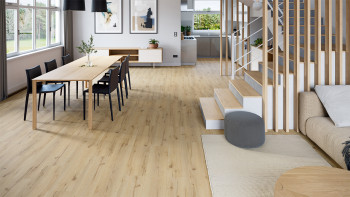
With vinyl flooring, you can decorate your home quickly, easily and, above all, with individuality! A vinyl floor with a thickness of up to 4 mm can be beautiful while also particularly easy to clean and it feels great underfoot. The solid vinyl versions are great in damp rooms such as the bathroom or kitchen.
Are you wondering what the difference is between a vinyl floor with a thickness of 2 mm and a vinyl floor up to 4 mm? These specifications refer to the total thickness of the covering. You should not confuse this with the so-called wear layer. This wear layer, which is usually between 0.3 and 0.5 millimetres, refers solely to the thickness of the top section. The higher this value, the more resistant the floor covering is overall.
How to install a vinyl floor with a thickness of up to 4 mm
All vinyl floors in our range are easy to install. Choose between different installation systems to find the one that suits your project. The innovative click system is particularly appealing to do-it-yourselfers, but you can't go wrong with adhesive vinyl either. Just make sure that you apply the vinyl flooring to a dry and even subfloor.
Advantages of high-quality vinyl flooring from planeo
hard-wearing
warm underfoot
easy to clean
easy to maintain
available in waterproof versions
Conclusion
If you are looking for an affordable alternative to laminate or parquet, you are well advised to choose vinyl. Request your free sample of high-quality 4 mm-thick vinyl flooring today!
The 7 most frequently asked questions about Vinyl Flooring
Vinyl flooring is a very robust and particularly easy-to-clean floor covering. The plastic content makes the tiles elastic, waterproof and warm underfoot, making it a pleasant alternative to tiles. With either the clicking or gluing installation techniques, vinyl flooring is great for almost all applications. It’s also one of the most renovation-friendly floor coverings because of its low installation height, starting at 2mm. More information about vinyl flooring.
Design flooring originally described a multi-layer adhesive vinyl flooring. Today the term is used to mean any type of flooring that features a design such as wood, stone or an abstract pattern, and made from any mix of materials and construction methods.
First you need to choose between clicking and gluing. Most people today install vinyl by clicking. The click connection locks each individual plank to the next. Because there is no adhesion to the subfloor, it is also called floating installation. Here you will find everything you need to know about installing vinyl click flooring. Adhesive vinyl flooring is being used more and more in private homes. In this case, vinyl flooring is glued to a levelled subfloor using a special vinyl adhesive. Adhesive vinyl can also be glued dry. Here we explain the 4 different gluing techniques.
These are some super-common mistakes made when installing a vinyl floor
Not following installation instructions
Not checking the subfloor properly
Not acclimatising the material
Using the wrong footfall sound insulation or underlay
Installation errors in the first rows
Forgetting or incorrectly setting expansion joints
To be sure, take a look at the installation instructions for your vinyl floor. Just because an impact sound insulation says "for vinyl flooring" on it, doesn't make it the appropriate underlay for your floor. If you try to reuse your old insulation from laminate, you risk damaging the floor. Read more about the right impact sound insulation for vinyl here.
Yes, as far as the vinyl content of the floor is concerned. This means that a solid vinyl floor for clicking and also gluing is absolutely waterproof. If a material such as a moisture-sensitive HDF core is added, the vinyl floor is no longer waterproof. You should be aware of this when choosing vinyl flooring for damp rooms such as the bathroom. You can find waterproof vinyl flooring here.
One of the main reasons vinyl flooring is so popular is how easy it is to maintain. Vacuuming and damp mopping is usually enough to clean it. Heavier stains can be removed with PU cleaner. Despite the tough outer layer, dust, dirt and small stones can scratch the vinyl in the long run, so we recommend a full care product, to forms a protective film. This makes vinyl care easier and protects your floor from small scratches.
Our FAQ section contains answers to these and many other questions regarding Vinyl Flooring. If you have any further questions, we are happy to assist you.
Personal advice
Do you have questions?
Phone: +49 5222 960 4810
MO - FR 9am to 7pm SA 9am to 2pm
Your sample basket is empty
We can provide you with free samples of many products or, for a small surcharge, larger premium samples.