PVC-free vinyl flooring

free from harmful plasticisers

PVC-free flooring is about floor coverings that are free of harmful substances and do not contain any questionable additives. Check out our PVC-free ranges from Meister, wineo PURLINE or HARO DISANO. They are just as robust and easy to clean as regular vinyl floors. They combine the proven properties of modern designer vinyl with the growing demand for a more responsible and healthy living environment.

8 Item(s)

Sort By

8 Item(s)

Healthy and functional flooring

Vinyl floors had a bad reputation for a long time. The reason was the PVC used, which contained plasticisers and could have negative effects on health. Modern designer floors do not use PVC at all and are in no way inferior to real wood floors in terms of appearance, functionality and health properties. You can use them to furnish both commercial and private spaces in a variety of ways.

PVC-free design floors are great:

  • no harmful plasticisers
  • healthy and particularly suitable for allergy sufferers
  • wide variety of designs
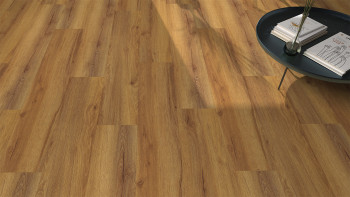
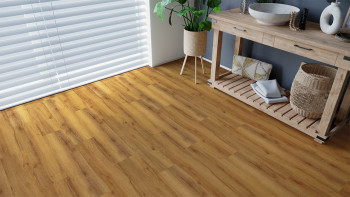
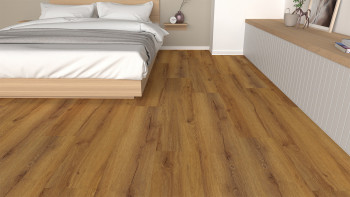
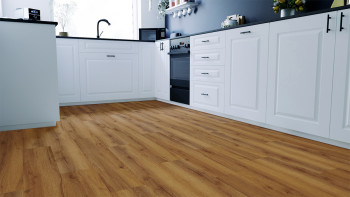
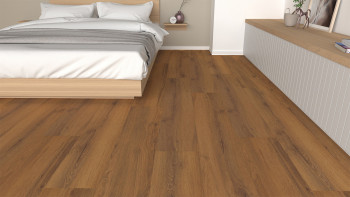
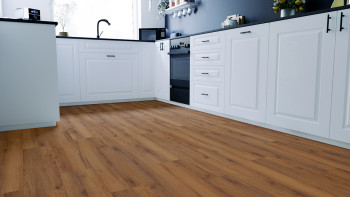
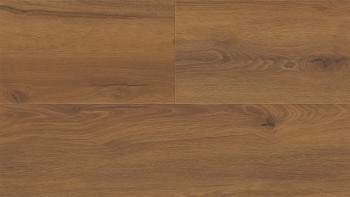
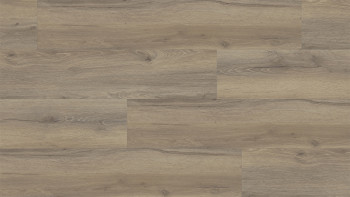
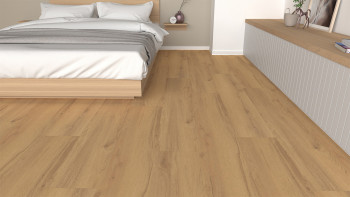
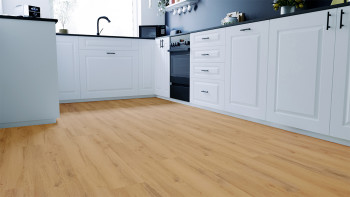
  • almost indistinguishable from real wood
  • sound-absorbing and warm underfoot
  • durable and easy to clean

Flooring without PVC – a healthy alternative

Those who cannot or do not want to install real wood flooring in their rooms are pleasantly surprised when they turn to this "artificial" alternative. Designer floors are in no way inferior in appearance to real parquet; however, many people still have concerns about the PVC that used to be used in making vinyl. This substance has been proven to have negative consequences for health. The modern designer floors in the planeo range do not use PVC at all. The materials used, such as PET or PP, are also used in the production of plastic bottles and are completely harmless.

PVC-free design floors: comfortable and robust

Modern designer floors have no adverse effect on health and, in terms of functionality and comfort, they are in no way inferior to real wood floors. At first glance, the versatile wood decors are virtually indistinguishable from real wood. In addition, these designer floors are particularly robust and feature scratch-resistant surfaces. They are also easy to clean and can withstand heavy everyday wear and tear without any problem.

Designer floors without PVC – easy installation without prior knowledge

You can create a variety of effects by combining different designs and decors. A floor covering with a herringbone pattern, for example, is particularly appealing. Of course, you can choose from both light and dark tones, so that you can install exactly the floor that suits you and your space. Plus, installation is so simple that you needn’t hire a tradesperson – you can do it yourself!

The 7 most frequently asked questions about Vinyl Flooring

Vinyl flooring is a very robust and particularly easy-to-clean floor covering. The plastic content makes the tiles elastic, waterproof and warm underfoot, making it a pleasant alternative to tiles. With either the clicking or gluing installation techniques, vinyl flooring is great for almost all applications. It’s also one of the most renovation-friendly floor coverings because of its low installation height, starting at 2mm. More information about vinyl flooring.

Design flooring originally described a multi-layer adhesive vinyl flooring. Today the term is used to mean any type of flooring that features a design such as wood, stone or an abstract pattern, and made from any mix of materials and construction methods.

First you need to choose between clicking and gluing. Most people today install vinyl by clicking. The click connection locks each individual plank to the next. Because there is no adhesion to the subfloor, it is also called floating installation. Here you will find everything you need to know about installing vinyl click flooring. Adhesive vinyl flooring is being used more and more in private homes. In this case, vinyl flooring is glued to a levelled subfloor using a special vinyl adhesive. Adhesive vinyl can also be glued dry. Here we explain the 4 different gluing techniques.

These are some super-common mistakes made when installing a vinyl floor

  • Not following installation instructions
  • Not checking the subfloor properly
  • Not acclimatising the material
  • Using the wrong footfall sound insulation or underlay
  • Installation errors in the first rows
  • Forgetting or incorrectly setting expansion joints

To be sure, take a look at the installation instructions for your vinyl floor. Just because an impact sound insulation says "for vinyl flooring" on it, doesn't make it the appropriate underlay for your floor. If you try to reuse your old insulation from laminate, you risk damaging the floor. Read more about the right impact sound insulation for vinyl here.

Yes, as far as the vinyl content of the floor is concerned. This means that a solid vinyl floor for clicking and also gluing is absolutely waterproof. If a material such as a moisture-sensitive HDF core is added, the vinyl floor is no longer waterproof. You should be aware of this when choosing vinyl flooring for damp rooms such as the bathroom. You can find waterproof vinyl flooring here.

One of the main reasons vinyl flooring is so popular is how easy it is to maintain. Vacuuming and damp mopping is usually enough to clean it. Heavier stains can be removed with PU cleaner. Despite the tough outer layer, dust, dirt and small stones can scratch the vinyl in the long run, so we recommend a full care product, to forms a protective film. This makes vinyl care easier and protects your floor from small scratches.

Our FAQ section contains answers to these and many other questions regarding Vinyl Flooring. If you have any further questions, we are happy to assist you.
Personal advice

Do you have questions?

Phone: +49 5222 960 4810

MO - FR 9am to 7pm
SA 9am to 2pm